‘Sorry, it took longer than expected’… and just like that, your half-hour becomes a quarter of an hour.
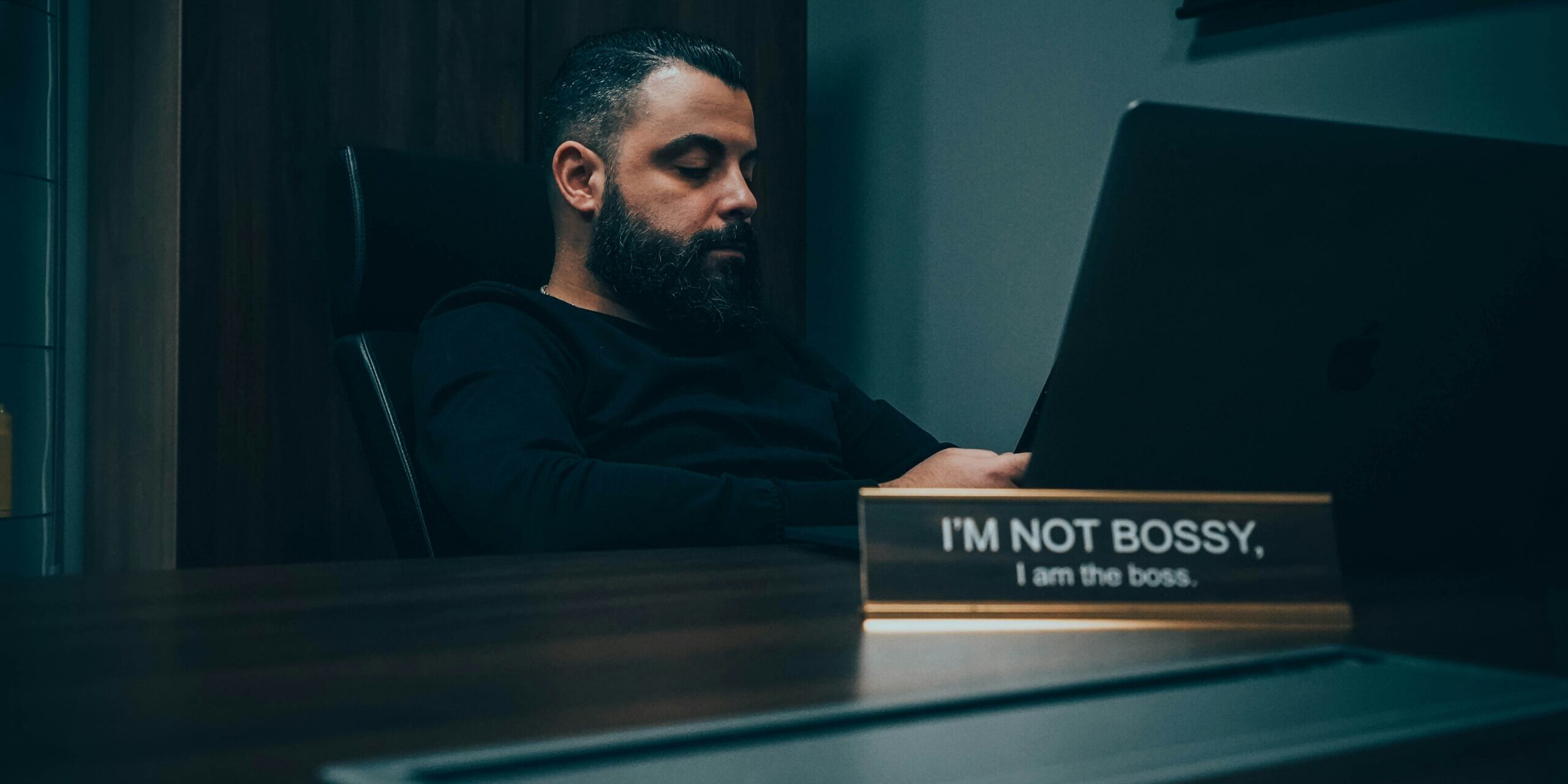
Someone has carefully prepared for an important meeting with their manager. After some back-and-forth scheduling, they manage to find a half-hour slot in the diary. Enough, you might think, to have a proper discussion. The employee is ready and waiting on time. The boss arrives late. “Sorry, the previous meeting ran over.” Of the half-hour, only fifteen minutes remain. And that fifteen minutes… stays at fifteen minutes.
This happens a lot in organisations. So often that it has almost become the norm. One appointment runs over and the next one is cut short. A practice that quietly takes hold and is accepted. Because there is always another appointment that does need to start on time. The assistant even pops in briefly to remind the manager of that next appointment. And so your time shrinks. One appointment runs over, the next simply starts on time. And the one in between adapts.
That isn’t just the solution; it’s a matter of prioritising. There are plenty of other options. For example, this meeting could run over (even if only slightly). Or we could reschedule the meeting at short notice, and then give it our full attention. But in practice, that rarely happens. The boss could have said: “I’m running late, so we’ll take the time needed now, or we’ll reschedule.” Or the (assertive) employee could say: “We had half an hour. How can we ensure we have a proper discussion, as I have a few points that can’t wait?” They’re simple phrases. But they shift the dynamics of the moment.
Instead, someone adapts, usually someone from the manager’s team. My coachee shortened her story. She left questions unanswered. She tried to get to the heart of the matter in that quarter of an hour, because that was all the time left. And in that, you see something bigger than this single conversation: how quickly space becomes unevenly distributed. How natural it becomes for one person to take their time and the other to give it up. And how little it takes to maintain that pattern.
In my work as an organisational coach, we look at what happens in moments like these: how time is allocated, what that triggers, and how someone reacts to it (usually automatically). From there, we explore what other choices were possible at that moment and what impact they might have had on the interaction. This creates the space to make more conscious choices next time and to stay more true to yourself in the conversation.